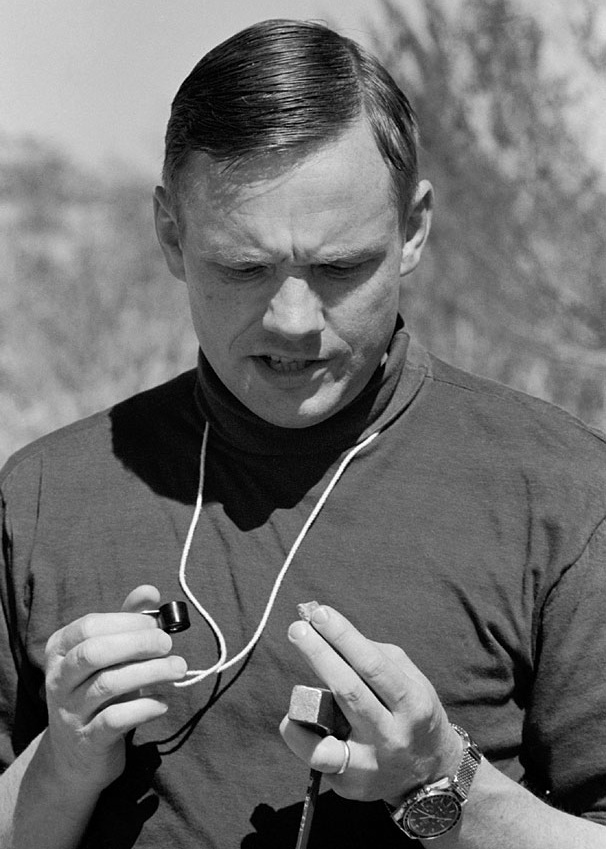
Neil Armstrong examines a sample from the Sierra Madera impact crater, west Texas during geology training for the Apollo program.
Paul Spudis
Paul Spudis
The Once & Future Moon
Smithsonian Air & Space
Because of his flying career and the life that he led, Neil Armstrong’s passing has many recounting his place in the history of spaceflight and remembering a life well lived. He holds a special place in our hearts and a unique place in history – and he always will.
I met Neil Armstrong at a conference, an encounter I won’t forget. A quiet, unassuming man of medium height and build, pleasant and genial, surrounded by a horde of admirers and well-wishers, I could tell he was slightly uncomfortable with (but resigned to) the adulation he received. In his mind, the 1969 flight of Apollo 11 was simply another professional assignment he flew as a test pilot – the landing on the Moon was of more significance than his first step on it. He was an aviator, in every sense of that word. The landing was an accomplishment for humanity – a giant step for mankind.
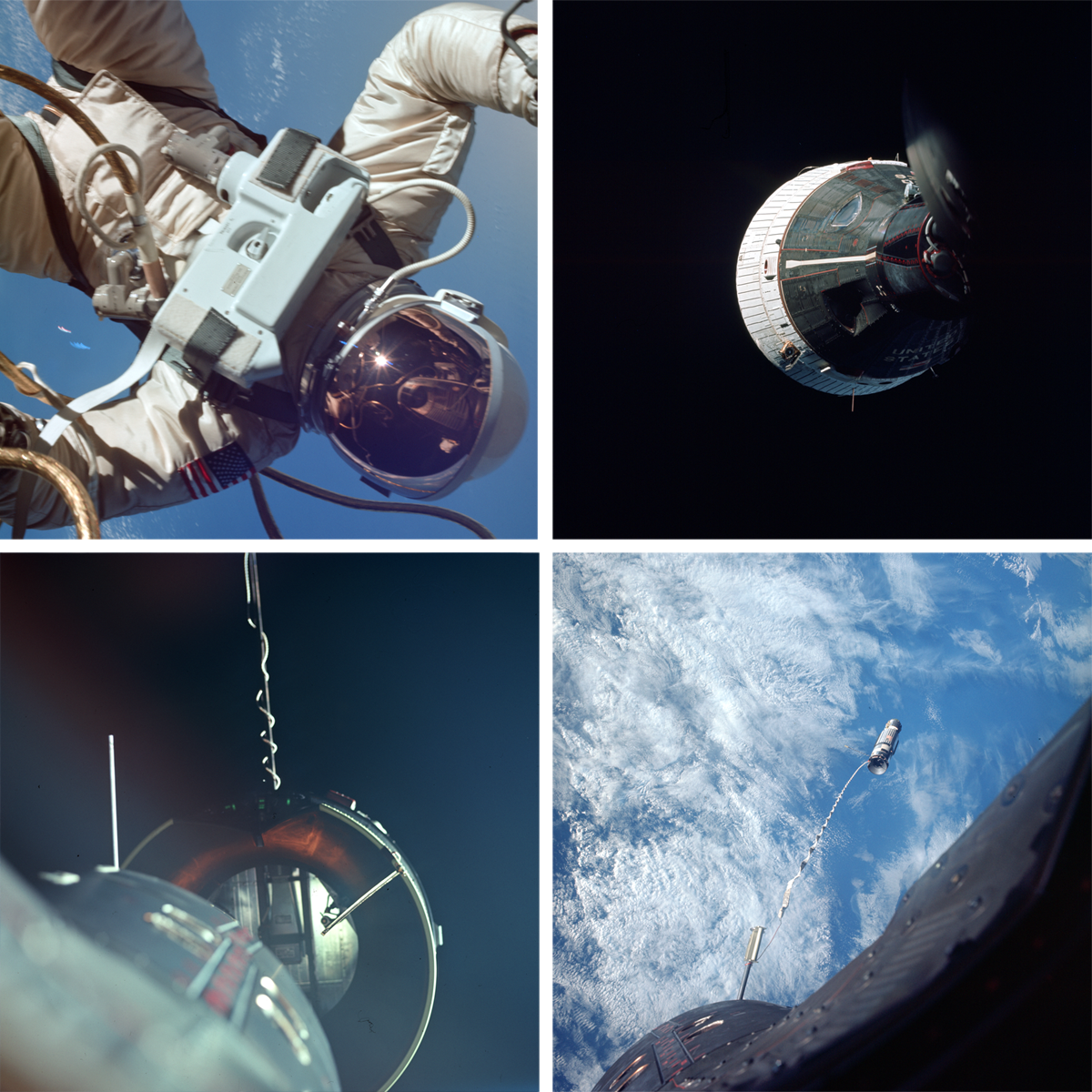
My glimpses of Neil come not from personal encounters with him, but from others who knew him. During a discussion several years ago with Dave Scott (Apollo astronaut and Commander of the 1971 Apollo 15 mission), I inquired about an obscure incident during the 1966 flight of Gemini 8 (flown by Neil and Dave). That mission conducted the first docking of two spacecraft in space and I wanted to know some details of the emergency experienced by the crew on that flight.
The incident had occurred shortly after the docking, when the Gemini-Agena spacecraft began to roll slightly. The rate of rotation became greater with time and it was evident that something was very wrong. Neil, as commander, was responsible for “flying” the spacecraft but couldn’t get the rolling under control. Thinking that the Agena (their unmanned target vehicle) was responsible, the crew made the decision to undock from it (they were out of contact with Mission Control at the time). As soon as they did, the Gemini spacecraft started to roll and tumble at an ever increasing and alarming rate. Dave recalled with a chuckle that Neil looked over at him, pointed at the attitude control stick and said “See if you can do anything with it!” Dave’s recollection of their exchange gave me a glimpse of a very human moment in a life and death situation. This was serious – if they couldn’t regain control, they would black out from the centrifugal forces in the tumbling vehicle. Neil kept his cool, activated the re-entry thrusters and soon stabilized the bucking Gemini spacecraft. The solution saved their lives but ended the mission, sending them home prematurely but safely.
The story of the first lunar landing is well known. The automatic systems of the Apollo 11 Lunar Module Eagle were targeting the vehicle into a large crater filled with automobile-sized boulders. Landing there would be disastrous, as the LM would likely topple over on touchdown, eliminating the crew’s ability to liftoff from the Moon and return home. Taking manual control, Neil (with Mission Control advising the crew they had thirty seconds of fuel left) guided the LM over the hazardous debris field to a safe touchdown a few hundred meters beyond the original landing site. Tension during the agonizingly long pause in the air-to-ground communications was palpable. Relief could be heard in Capcom Charlie Duke’s voice as Neil calmly announced that the Eagle had landed. Yet again, a critical situation expertly handled by a test pilot just doing his job – the calm and collected decision making necessary when flying finicky machines near the edges of their performance envelopes.
Neil’s scientific work on the Moon during his EVA warrants special mention. Being the first humans to land on another world, it is understandable that the crew had many ceremonial duties to perform. Although they had been carefully instructed to stay close to the LM, without informing Mission Control, Neil walked back a hundred meters or so to Little West crater (overflown earlier) to examine and photograph its interior. Those photos showed the basaltic bedrock of Tranquility Base – documenting that the Eagle had landed amidst ejecta from that crater thereby establishing the provenance of samples collected during the crew’s limited time on the surface. According to Gene Shoemaker and Gordon Swann, both of the U.S. Geological Survey, Neil was one of the best students of geology among the Apollo astronauts. Through his work on the Moon, he showed an ability beyond mere mastery of the facts of geology – he intuitively grasped its objectives, as well as the philosophy of the science. Like every other facet of the mission, Neil understood and took this role seriously. No matter what topic was addressed or which role was taken, he could always be counted on to turn in his best performance.
Armstrong understood the historic role of being the first man on the Moon but he never succumbed to the siren call of fame. He could have cashed in on his status but choose a different path. He was the quintessence of quiet dignity, possessing the “Aw shucks, t’weren’t nothin’” Gary Cooper-ish manner of understated heroism. After retirement, he lived happily in his home state of Ohio, taught aeronautics (his first love) at the University of Cincinnati, and advised on various engineering topics and problems for both government and industry. Throughout NASA’s post-Apollo efforts – without fanfare – he often and freely lent his efforts to the space program. He served his country with honor and dignity.
As a test pilot, Neil routinely showed his ability to make quick, life saving decisions in dangerous situations. As a senior spokesman for space, he clearly voiced his concern over the dismantling and destruction of our national space program. Neil understood that our civil space program is a critical national asset, both as a technology innovator and a source of inspiration for the public. Who would recognize this more clearly than Neil Armstrong? From long experience, he knew what kinds of government programs worked and what kind didn’t. He knew his fellow man. In appearances before Congress in recent years, he outlined specific objections to our current direction in space. A true patriot, Neil did not hesitate to voice his opinions, whether they aligned with current policy or not.
It’s become cliché to say that Neil Armstrong holds a unique place in history. On this occasion, we should pause to consider just how singular his place is. No one – not the first human to Mars nor the first crew to venture beyond the Solar System – will ever achieve the same level of significance as the first human to step onto the surface of another world. The flight of Apollo 11 was truly a once in a lifetime event – and by that, I mean in the lifetime of humanity. That first step was indeed one to “divide history,” as the NASA Public Affairs Office put it at the time.
Goodbye, Neil Armstrong – and thank you. We’ve lost one of our most authoritative and articulate spokesmen for human spaceflight. I mourn him and share his valid concerns for our dysfunctional national space program.
Smithsonian Air & Space
Because of his flying career and the life that he led, Neil Armstrong’s passing has many recounting his place in the history of spaceflight and remembering a life well lived. He holds a special place in our hearts and a unique place in history – and he always will.
I met Neil Armstrong at a conference, an encounter I won’t forget. A quiet, unassuming man of medium height and build, pleasant and genial, surrounded by a horde of admirers and well-wishers, I could tell he was slightly uncomfortable with (but resigned to) the adulation he received. In his mind, the 1969 flight of Apollo 11 was simply another professional assignment he flew as a test pilot – the landing on the Moon was of more significance than his first step on it. He was an aviator, in every sense of that word. The landing was an accomplishment for humanity – a giant step for mankind.
My glimpses of Neil come not from personal encounters with him, but from others who knew him. During a discussion several years ago with Dave Scott (Apollo astronaut and Commander of the 1971 Apollo 15 mission), I inquired about an obscure incident during the 1966 flight of Gemini 8 (flown by Neil and Dave). That mission conducted the first docking of two spacecraft in space and I wanted to know some details of the emergency experienced by the crew on that flight.
The incident had occurred shortly after the docking, when the Gemini-Agena spacecraft began to roll slightly. The rate of rotation became greater with time and it was evident that something was very wrong. Neil, as commander, was responsible for “flying” the spacecraft but couldn’t get the rolling under control. Thinking that the Agena (their unmanned target vehicle) was responsible, the crew made the decision to undock from it (they were out of contact with Mission Control at the time). As soon as they did, the Gemini spacecraft started to roll and tumble at an ever increasing and alarming rate. Dave recalled with a chuckle that Neil looked over at him, pointed at the attitude control stick and said “See if you can do anything with it!” Dave’s recollection of their exchange gave me a glimpse of a very human moment in a life and death situation. This was serious – if they couldn’t regain control, they would black out from the centrifugal forces in the tumbling vehicle. Neil kept his cool, activated the re-entry thrusters and soon stabilized the bucking Gemini spacecraft. The solution saved their lives but ended the mission, sending them home prematurely but safely.
The story of the first lunar landing is well known. The automatic systems of the Apollo 11 Lunar Module Eagle were targeting the vehicle into a large crater filled with automobile-sized boulders. Landing there would be disastrous, as the LM would likely topple over on touchdown, eliminating the crew’s ability to liftoff from the Moon and return home. Taking manual control, Neil (with Mission Control advising the crew they had thirty seconds of fuel left) guided the LM over the hazardous debris field to a safe touchdown a few hundred meters beyond the original landing site. Tension during the agonizingly long pause in the air-to-ground communications was palpable. Relief could be heard in Capcom Charlie Duke’s voice as Neil calmly announced that the Eagle had landed. Yet again, a critical situation expertly handled by a test pilot just doing his job – the calm and collected decision making necessary when flying finicky machines near the edges of their performance envelopes.
Neil’s scientific work on the Moon during his EVA warrants special mention. Being the first humans to land on another world, it is understandable that the crew had many ceremonial duties to perform. Although they had been carefully instructed to stay close to the LM, without informing Mission Control, Neil walked back a hundred meters or so to Little West crater (overflown earlier) to examine and photograph its interior. Those photos showed the basaltic bedrock of Tranquility Base – documenting that the Eagle had landed amidst ejecta from that crater thereby establishing the provenance of samples collected during the crew’s limited time on the surface. According to Gene Shoemaker and Gordon Swann, both of the U.S. Geological Survey, Neil was one of the best students of geology among the Apollo astronauts. Through his work on the Moon, he showed an ability beyond mere mastery of the facts of geology – he intuitively grasped its objectives, as well as the philosophy of the science. Like every other facet of the mission, Neil understood and took this role seriously. No matter what topic was addressed or which role was taken, he could always be counted on to turn in his best performance.
Armstrong understood the historic role of being the first man on the Moon but he never succumbed to the siren call of fame. He could have cashed in on his status but choose a different path. He was the quintessence of quiet dignity, possessing the “Aw shucks, t’weren’t nothin’” Gary Cooper-ish manner of understated heroism. After retirement, he lived happily in his home state of Ohio, taught aeronautics (his first love) at the University of Cincinnati, and advised on various engineering topics and problems for both government and industry. Throughout NASA’s post-Apollo efforts – without fanfare – he often and freely lent his efforts to the space program. He served his country with honor and dignity.
As a test pilot, Neil routinely showed his ability to make quick, life saving decisions in dangerous situations. As a senior spokesman for space, he clearly voiced his concern over the dismantling and destruction of our national space program. Neil understood that our civil space program is a critical national asset, both as a technology innovator and a source of inspiration for the public. Who would recognize this more clearly than Neil Armstrong? From long experience, he knew what kinds of government programs worked and what kind didn’t. He knew his fellow man. In appearances before Congress in recent years, he outlined specific objections to our current direction in space. A true patriot, Neil did not hesitate to voice his opinions, whether they aligned with current policy or not.
It’s become cliché to say that Neil Armstrong holds a unique place in history. On this occasion, we should pause to consider just how singular his place is. No one – not the first human to Mars nor the first crew to venture beyond the Solar System – will ever achieve the same level of significance as the first human to step onto the surface of another world. The flight of Apollo 11 was truly a once in a lifetime event – and by that, I mean in the lifetime of humanity. That first step was indeed one to “divide history,” as the NASA Public Affairs Office put it at the time.
Goodbye, Neil Armstrong – and thank you. We’ve lost one of our most authoritative and articulate spokesmen for human spaceflight. I mourn him and share his valid concerns for our dysfunctional national space program.
Originally published at his Smithsonian Air & Space blog The Once and Future Moon, Dr. Spudis is a senior staff scientist at the Lunar and Planetary Institute. The opinions expressed are those of the author and are better informed than average.